
After exploring why and how to measure the return on investment (ROI) of human development, let’s take a look at the concrete findings from our study conducted with Columbia University.
By combining technology and behavioral science, we achieved a 574% ROI in just six weeks on managerial skills development programs. This figure, derived from a rigorous methodology, proves that it’s possible to accurately measure the impact of soft skills and translate it into tangible business gains.
To better understand this result, let’s take a closer look at three key areas: the return on investment itself (and how quickly it is achieved), how it compares to traditional coaching, and the differentiating factors that explain these performance outcomes.
📥 Download the full study below to access the detailed methodology, results, and participant feedback.
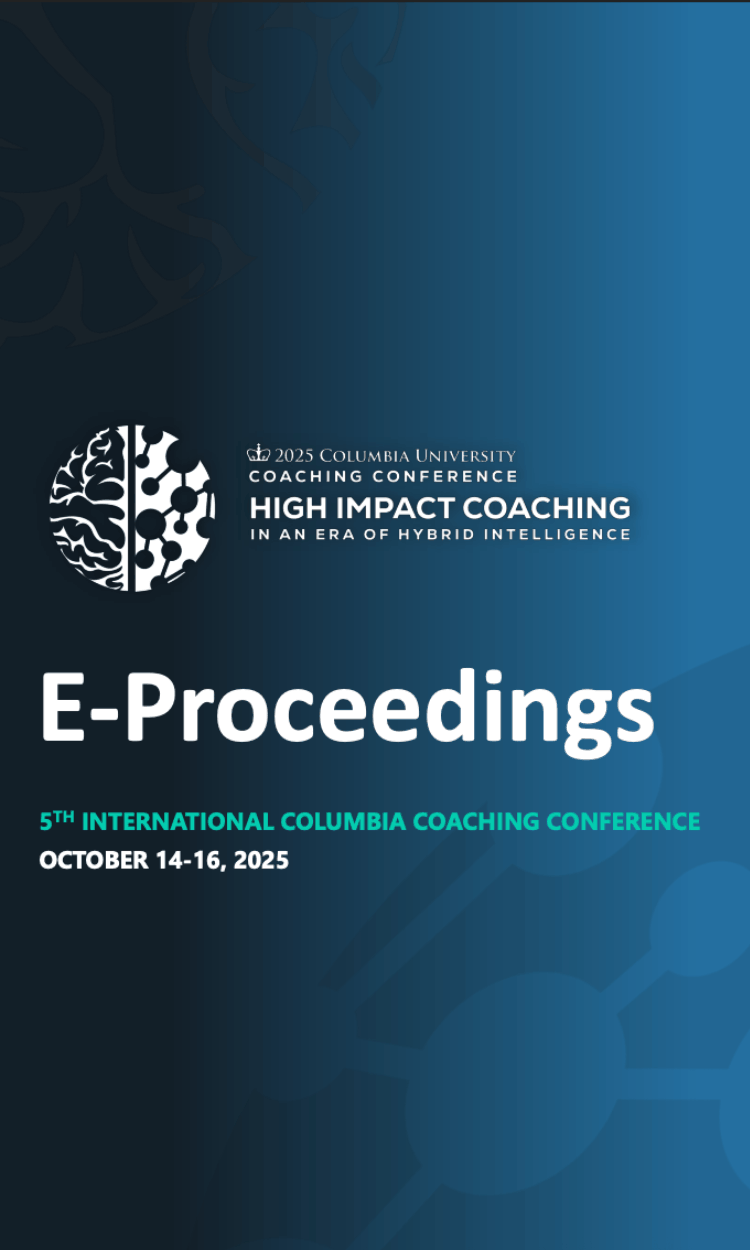
One of the most striking figures from the study is this: a +574% ROI achieved in just six weeks on a leadership development program. In other words, every euro invested generated nearly €5.70 in measured benefits, in just three months or less.
This result, validated by field data and a rigorous modeling approach, matches or exceeds the best performance reported in the executive coaching literature. It also challenges the common assumption that human development takes time before delivering results: here, the impact is almost immediate.
For comparison, traditional coaching typically delivers an average ROI of 500–700%, but over 6 to 12 months. Omind, by contrast, delivers 574% in just six weeks, around five times faster. This speed allows companies to see results before the end of the fiscal year, with a tangible impact on quarterly performance.
It starts with the significant improvements observed among participants:
These improvements were translated into concrete financial gains for the company: for instance, more effective managers generate higher revenue, while better retention helps reduce turnover costs. The program, which costs on average $3,300 per participant (Omind training + participant time), delivered a net gain of $19,000 per person, equivalent to a 574% ROI, calculated by comparing these measurable benefits with the initial investment.

This calculation is conservative: it only accounts for performance gains and cost savings from improved retention. Other positive effects, such as collaboration, innovation, or resilience, are not included, suggesting that the true impact is likely even higher.
Either way, achieving results like these, measured and reproducible, is a first in the field of management development.
These results raise a natural question: what makes this approach different from conventional coaching or training? The answer is what we’ve covered all along: technology and science working together to make learning more targeted, more engaging, and more effective.
Unlike traditional coaching, which is often lengthy and inflexible, an Omind program is intensive and structured:
The result: managers no longer have to choose between developing their skills and getting their work done.
Traditional one-on-one coaching can be highly valuable, but it’s difficult to scale (limited coach availability, high costs, and inconsistent approaches).
The Omind approach, by contrast, is designed to be deployed at scale:
Standardized digital tools to ensure a consistent experience.
Deep personalization powered by AI, even for 500 managers at once.
A hybrid format (asynchronous digital learning + remote coaching) designed for dispersed teams and packed schedules: a key advantage in 2026, as hybrid work has become the norm.
The result: HR gets consolidated metrics on team-wide progress, while every manager still gets a personalized experience.
Traditional coaching usually relies on subjective feedback from the coachee or those around them, with maybe a few lagging HR indicators thrown in (performance reviews, promotions)

With Omind, impact is tracked continuously through objective data. For example: “Following this program, the manager’s decision-making under stress score improved from 60 to 75, and their well-being index went from 50 to 65, gains that translate directly into a significant performance improvement.”
Every step is quantified, making the final ROI credible to everyone. This is how Omind feeds into strategic HR KPIs and clearly aligns human development with business performance.
The result: human development is no longer a leap of faith, but a measurable, actionable, and demonstrable lever.
Hybrid intelligence is redefining the standards of traditional coaching by overcoming its three main limitations:
➜ A new way to think about human development: as a measurable strategic investment, not a cost center.
The results above are no coincidence, they directly reflect Omind’s methodological choices. To understand what sets this approach apart, let’s break down its core pillars:
Technology and human expertise work together and reinforce each other. AI analyzes the data and provides precise dashboards and targeted recommendations, enabling coaches to be more relevant and effective.
But AI never makes decisions on its own: coaches remain at the core of the process, interpreting insights in context, supporting change, and helping embed progress in day-to-day practice.
This combination of scientific rigor and human support ensures development that is both effective and sustainable.
“You can only manage what you measure.” Omind goes beyond self-reported questionnaires by using concrete data to assess soft skills: exercise scores, shifts in decision-making patterns, and more. This approach strengthens the initial diagnosis and tracks real progress (not perceived progress) providing a solid, fact-based foundation to measure and manage the ROI of human development.

Omind doesn’t settle for a static ROI measured at the end of the program. Here, ROI is dynamic: it builds throughout the journey and is tracked across multiple dimensions as performance, retention, engagement, and more.
Built on a robust scientific model, the approach explicitly projects expected ROI by translating psychological gains (well-being, confidence) into concrete business outcomes. A 360° view of the value created, directly pluggable into the company’s strategic dashboards.
The method focuses on short, high-impact actions, cutting development cycles from several months down to just a few weeks. But this speed doesn’t come at the expense of lasting impact: behavioral change is reinforced through repeated practice and individual follow-up. Participant feedback reflects this, with satisfaction scores above 9/10 and 100% engagement throughout the programs, clear signs that new habits stick and adoption is strong.
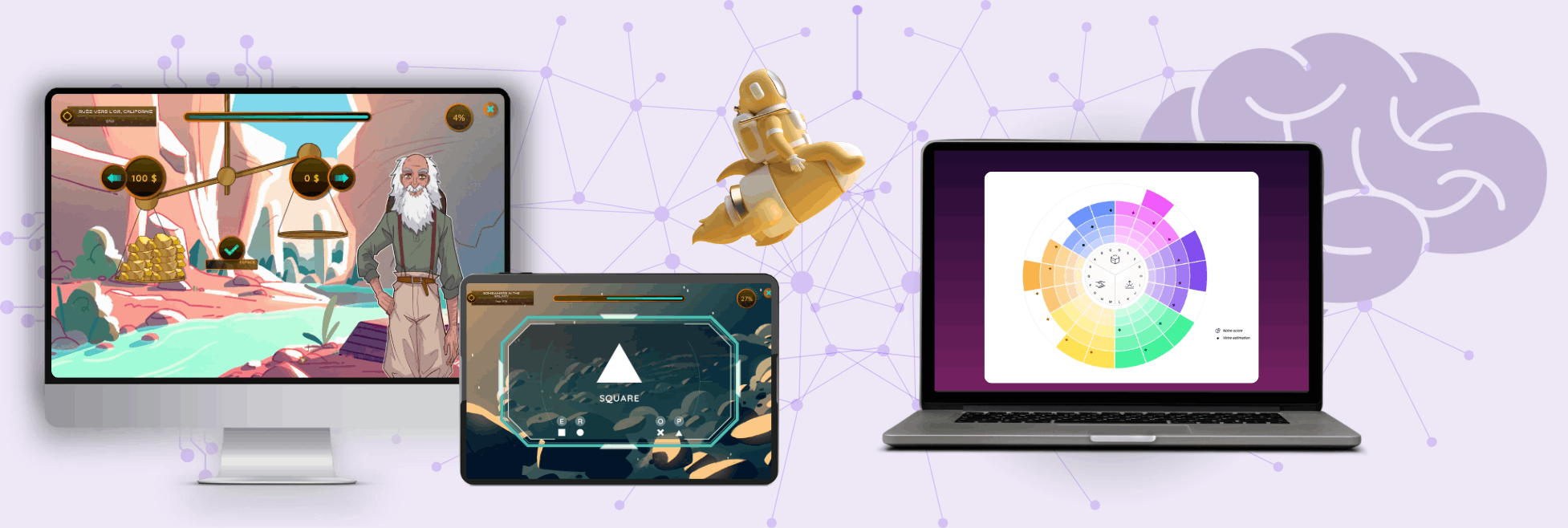
Innovation also comes through gamification and immersive tools, making the experience engaging and appealing, even for the most rational or skeptical profiles.
This gamified dimension is a key driver of engagement, and therefore of results. Without engagement, there’s no ROI: making it an indirect but critical lever.
In short, Omind’s approach is built on a balance between data, science, human insight, and user experience. It’s this combination that drives strong outcomes, with a high ROI (up to +574% in 6 weeks).
For CHROs and L&D leaders, this is a major opportunity to shift the internal conversation: no more debates about costs or compliance requirements. The discussion now centers on value creation, stronger performance, and the competitive edge that comes from investing in human development.
When leadership programs deliver results like these, they’re no longer seen as a nice-to-have: they become a strategic pillar for the business. By embracing hybrid intelligence (AI + human) and a data-driven mindset, HR transforms human capital into a key differentiator, especially in an era defined by AI and constant change.
These tangible results prove it: the ROI of human development is already setting tomorrow’s standards.
Want to understand how to measure, manage, and maximize the impact of your talent development programs? Watch the replay of our webinar and discover practical methods you can apply directly in your organization 👇

Omind’s manager development programs match the ROI of leading executive coaching firms, with measurable results.
Here’s the difference: We deliver the same results in 3x less time (8 weeks instead of 6 months), thanks to behavioral science, real data, and immersive game-based learning. Every program helps managers:
Track skill progress accurately
Measure impact on engagement, collaboration, and performance
Show clear, objective ROI
Want to estimate the potential ROI for your organization? Book a call for a custom estimate 👇
* Insights (2018). L&D Trainers: How & why to measure ROI. Blog Insights – citant DDI Global Leadership Survey et LinkedIn Workplace Learning Report .
* Vorecol (2023). Best practices for measuring and optimizing HR ROI. Featured on Vorecol Blog, citing McKinsey, Deloitte, CIPD, and PwC studies.
* Omind (2025). Coaching the Future: How Hybrid Intelligence Unlocks Human Potential and Predicts ROI. Scientific publication (5th Columbia Coaching Conference) .
* Omind: LinkedIn posts (2025). Excerpts presenting Omind’s approach and results.
Et avec cela, vous voudrez sûrement un peu plus de nouvelles et de bons plans ? Abonnez-vous à notre newsletter pour ne rien manquer de notre prochain contenu !
Quality certification has been awarded for one or more of the following categories of action: TRAINING INITIATIVES
See our Qualiopi certification here
Copyright 2026 | Omind

